Twent’s · Season 2026 / 2027

The Wine Selection

Prices per 1 dl glass and per bottle.

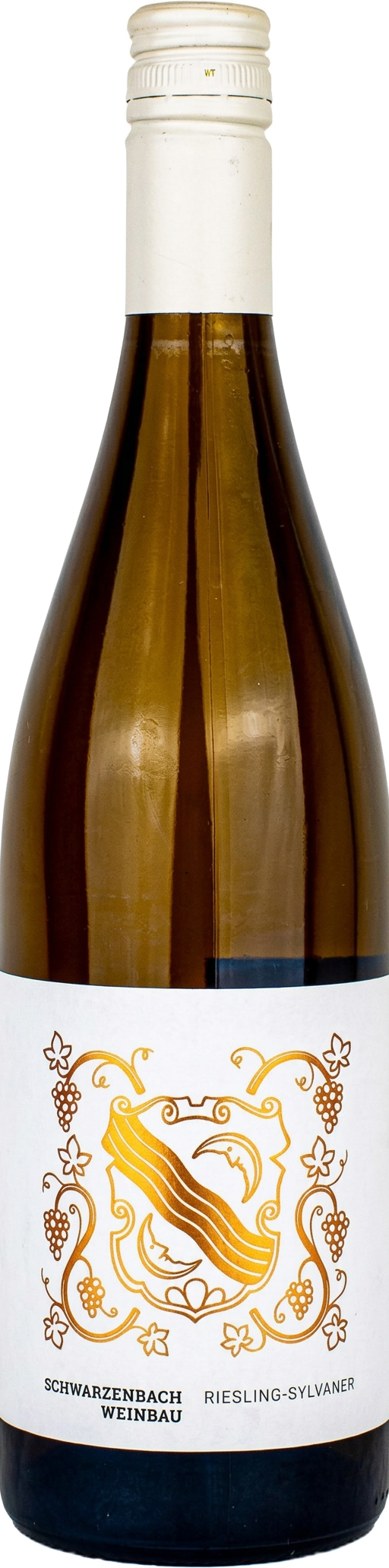
Alain Schwarzenbach Riesling-Sylvaner AOC bottle from the supplied wine selection

White wine

Riesling-Sylvaner AOC

10.00 / 1 dl · 60.00 / bottle

Region:
Lake Zurich, Switzerland
Producer:
Alain Schwarzenbach
Vintage:
2024
Grape varieties:
Riesling-Sylvaner (Müller-Thurgau)

Tasting notes

All you need is love… Sweetly fruity, almost sentimental, exuberant and beautiful precisely because of it, with enchanting aromas of fully ripe pear, yellow apple and mirabelle plum. Invigorating, refreshing and a little mysterious: behind the sweet yellow fruit emerge crisp gooseberry and dark cassis. Love can have a bite, and without downs there are no ups. A dusty, stony minerality grounds the daydream, before a touch of white pepper and mace sets the butterflies flying again. On the palate, it is as surprising as love itself: wonderfully drinkable and fresh, with no heaviness, just easy-going summer fruit. What more could you need?

Winemaking

Selective hand harvesting, fermentation with the estate’s own yeast strain dating from 1895, followed by ageing in stainless-steel tanks. No malolactic fermentation.

Terroir

The grapes come from vineyard sites in Meilen on Lake Zurich. On the lake’s right bank, they benefit from around 25% more sunlight. Sheltered between the Albis range and the Pfannenstiel, Lake Zurich offers an ideal wine-growing climate. The lake softens the frosty winter weather and brings cool nights during the summer heat, producing aromatic, fresh wines.

Estate history

The old winegrower’s house, the ‘Reblaube’, was built in Meilen in 1739, and wine was already being produced there. It came into the Schwarzenbach family’s ownership in 1912. Just as the Schwarzenbach family is at the heart of Lake Zurich wine-growing, the Reblaube remains the heart of the estate. Today, Alain Schwarzenbach and Marilen Muff jointly run the family winery in its fifth generation: two winemakers deeply connected to their home, nature and vineyards — where, in their eyes, the wine is made.
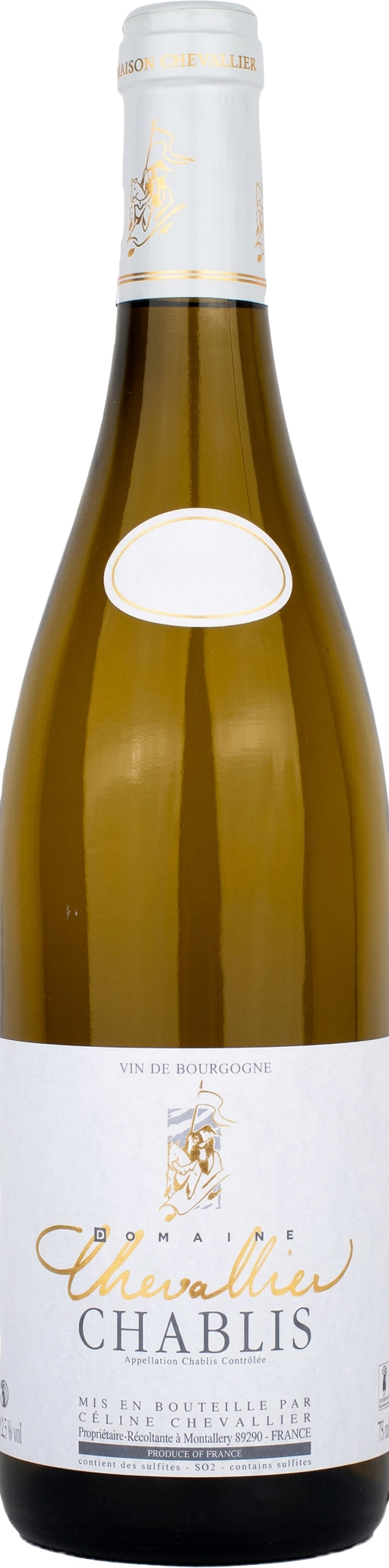
Domaine Céline Chevallier Chablis AOC bottle from the supplied wine selection

White wine

Chablis AOC

12.00 / 1 dl · 72.00 / bottle

Region:
Chablis, France
Producer:
Domaine Céline Chevallier
Vintage:
2025
Grape varieties:
Chardonnay

Tasting notes

Clear and brilliant, with green-and-yellow fruit aromas of fully ripe, juicy limes and pineapple, alongside white flowers such as orange blossom. Crisp on the palate, with a beautiful balance between creaminess and fresh minerality.

Winemaking

Selective harvesting. Spontaneous fermentation with indigenous vineyard yeasts, followed by 8–9 months of ageing in stainless-steel tanks.

Terroir

Vines averaging almost 40 years old grow on south-east- and south-west-facing slopes. The clay-limestone soils sit above the famous Kimmeridgian shell-limestone bedrock. The climate is cool and continental, with short, dry summers and very cold, long winters. These conditions create unique Chardonnays with incomparable saline minerality and taut freshness.

Estate history

From parents to children: for generations, the Chevalliers have passed on their knowledge and the land that sustains them. As was customary, the original farm grew grain and raised sheep and cattle, but wine has also been grown here since 1788. After a break of two generations, brothers Claude and Jean-Louis resumed their ancestors’ traditional work. Father and daughter share the same guiding principle to this day: wines of exceptional authenticity and quality. In 2018, Céline took over both responsibility for the estate and her father’s ambition. Her Chablis wines earn awards throughout France every year.

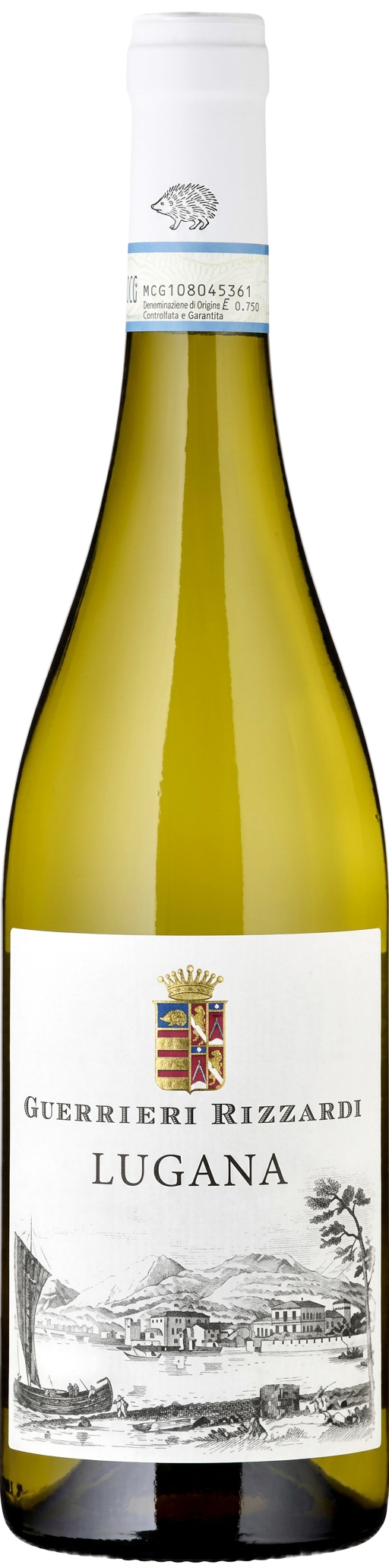
Guerrieri Rizzardi Lugana DOC bottle from the supplied wine selection

White wine

Lugana DOC

10.00 / 1 dl · 60.00 / bottle

Region:
Veneto, Italy
Producer:
Guerrieri Rizzardi
Vintage:
2025
Grape varieties:
Trebbiano, Chardonnay, Pinot Blanc

Tasting notes

The second glass! Even the first puts you at ease, straight into a holiday mood. The fragrance is light, relaxed and inviting: bright flowers everywhere, ripe pale fruit, a little juiciness and a little chalky minerality. On the palate, the fullness is buttery-soft and enveloping, with ripe pale fruit and such gentle refreshment — more mineral than acidic — plus a hint of herbs, spices and anise. Has summer already ended? Not in this glass!

Winemaking

Hand harvesting. Temperature-controlled fermentation of destemmed berries, followed by several months of ageing and maturation in stainless-steel tanks.

Terroir

The grapes come from vineyards on the plains south of Lake Garda. Clay- and limestone-rich soils, abundant sunshine and cool winds give the wines a floral, juicy and elegantly rounded character.

Estate history

Wine-growing in the family dates back to the 17th century, beginning in Veneto’s Valpolicella Classico, alongside the wonderful historic gardens at Pojega, and extending to substantial vineyards in Bardolino, Soave and Adige. Here, greatness has long been understood to mean quality rather than quantity. Honours and recognition are numerous, not only for the wines: members of the family have also been honoured by the Italian state for their outstanding contributions. The wines have a distinctive stature, mature elegance and personality — generous and uplifting, yet also challenging. Truly great wines.

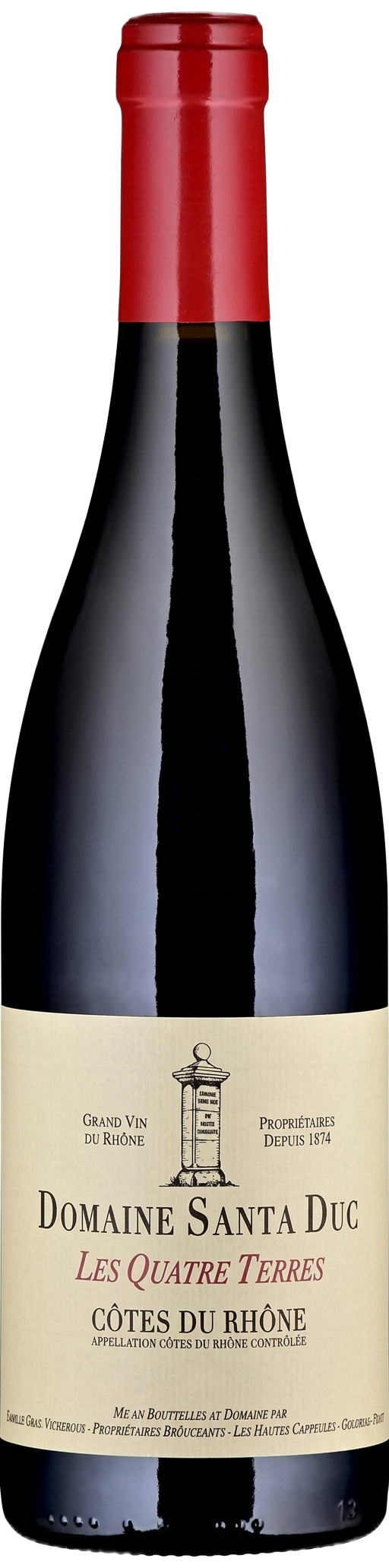
Santa Duc Côtes du Rhône ‘Les Quatre Terres’ AOC bottle from the supplied wine selection

Red wine · Organic

Côtes du Rhône ‘Les Quatre Terres’ AOC

10.00 / 1 dl · 60.00 / bottle

Region:
Rhône, France
Producer:
Santa Duc
Vintage:
2025
Grape varieties:
Grenache, Syrah, Mourvèdre, Carignan, Cinsault

Tasting notes

Untamed nature. Incredibly alive, with each breeze seeming to carry a new scent: initially a little dry and dusty, then wonderfully fresh, juicy red and black berries, cassis, shrubs and plants, followed by fine leather and recurring wild, farmyard notes — simply let them drift past and enjoy. On the palate it is more purposeful, lively and fresh: rather than lingering in sweet dreams, it turns passionate and spicy, with fresh acidity, pepper, minerality and a taut structure.

Winemaking

Selective hand harvesting, with a second grape selection at the sorting table in the cellar. Fermentation of partially destemmed berries, followed by 18 months of ageing in 3,600-litre Stockinger oak casks and 800-litre clay amphorae. Unfined and unfiltered.

Terroir

The grapes come from four terroirs: the sandy soils of Vacqueyras; sand and gravel in Roaix; limestone-rich clay in Séguret; and the terraced slopes of Rasteau with their stony, limestone-rich soils. The climate is hot and dry. Long sunshine hours contribute substantially to the grapes’ powerful ripening, while the Mistral provides cooling.

Estate history

Family-owned since 1874, Santa Duc is a firmly established name in the southern Rhône and a leading estate in Gigondas. In 1985, the father passed this treasure to his son Yves Gras: an exceptional talent, traditionalist and visionary. He was among the first to recognise that Gigondas could secure a great future by returning to its traditional virtues. With foresight and extraordinary energy, he brought the terroir’s uniqueness back into focus and led Gigondas out of Châteauneuf-du-Pape’s shadow. For decades, his wines have reliably ranked among the appellation’s best, demonstrating that Gigondas produces not only rugged, high-alcohol, exuberant wines, but also fascinating, expressive wines full of finesse.

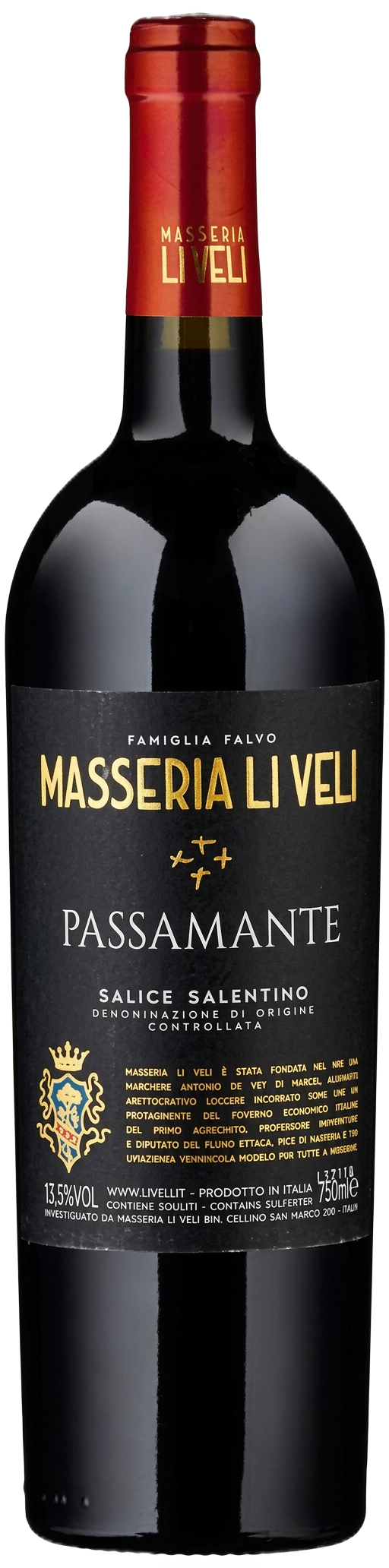
Masseria Li Veli Salice Salentino ‘Passamante’ DOC bottle from the supplied wine selection

Red wine

Salice Salentino ‘Passamante’ DOC

9.00 / 1 dl · 54.00 / bottle

Region:
Puglia, Italy
Producer:
Masseria Li Veli
Vintage:
2024
Grape varieties:
Negroamaro

Tasting notes

Sweet-toned and dark, with a primal, earthy character that radiates calm. Assured and balanced on the palate, with peppery notes, then lively fresh acidity and spice. The finish lingers beautifully.

Winemaking

Hand harvesting and sorting. Temperature-controlled fermentation of destemmed berries in stainless-steel tanks, followed by malolactic fermentation and six months of ageing in barriques.

Terroir

The grapes come from young vines in Cellino San Marco. The vineyards lie at 70 metres above sea level and face west and south-west. Days can be very hot, but evening winds from the sea bring cooling. Clay and limestone soils give the wines good structure and vitality alongside their ripe fruit.

Estate history

The history of this masseria, between the Adriatic and Ionian seas, dates back to the 19th century. Its ambitious founders wanted to create a model for wine-growing in southern Italy, a spirit still evident today. In 2008, the Falvo family, known for their work at the renowned Avignonesi estate in Montepulciano, acquired the 80-hectare estate. Since then, they have devoted themselves passionately to indigenous grape varieties. The wines are expressive and steadfast, yet charming and open to the world.

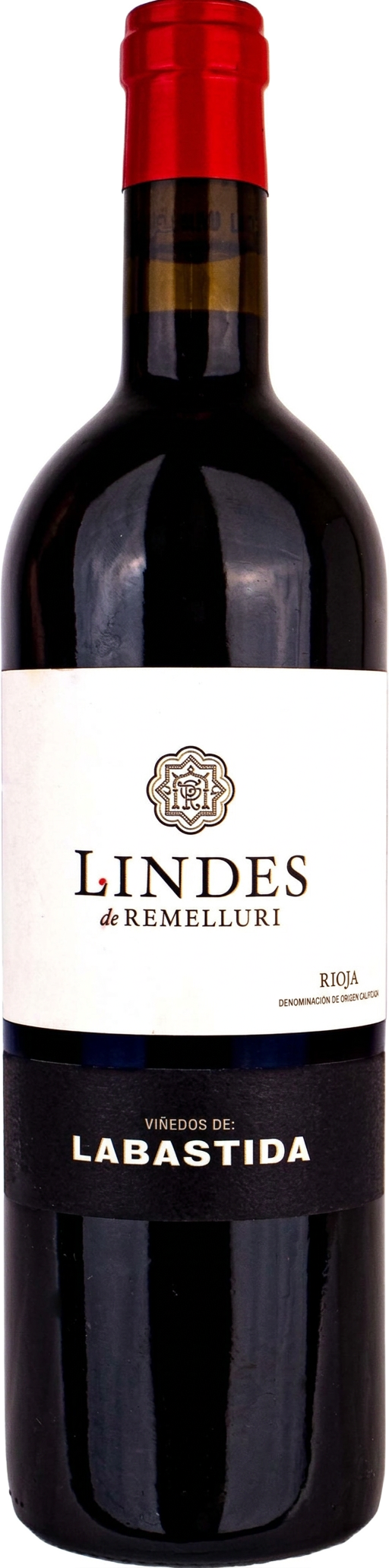
Remelluri Lindes de Remelluri ‘Viñedos de Labastida’ DOCa bottle from the supplied wine selection

Red wine

Lindes de Remelluri ‘Viñedos de Labastida’ DOCa

69.00 / bottle

Region:
Rioja, Spain
Producer:
Remelluri
Vintage:
2022
Grape varieties:
Tempranillo, Graciano, Garnacha Negra

Tasting notes

A torero in the arena: elegance, play and power unite with fresh dark fruit, a fleshy, solemn seriousness and a daring lightness of foot. Dark earth, mineral precision, tension, focus and confident fearlessness. On the palate the dark interplay returns, like a dance with a bull: juicy, fleshy dark fruit and fluid, light-footed movement meet power, cool freshness and alert precision in an almost dusty, earthy arena. Magnificent in the way focus and masterful play combine in one elegant performance.

Winemaking

Selective hand harvesting. Fermentation with indigenous vineyard yeasts in stainless-steel tanks, followed by 12 months of ageing in used oak casks of different sizes and ages.

Terroir

The grapes come from organically farmed vineyards belonging to growers in Labastida, a village central to Rioja’s wine history. As early as 1680, it had 330 registered winegrowers and 260 underground cellars. The 30- to 80-year-old vineyards grow at 440–710 metres above sea level, on alluvial soils near the Ebro at lower elevations and stony terraces higher up. The climate is cool and relatively dry. Slow ripening produces velvety, elegant wines with a pleasantly dry, fresh finesse.

Estate history

Granja Nuestra Señora de Remelluri has always been a name of distinction: the oldest and highest-situated estate, a family business and the childhood home of the energetic oenologist Telmo Rodriguez. Today, it is where he and his friend Pablo bring genuine terroir into the bottle. Their Lindes de Remelluri project seeks to breathe new life into traditional wine villages that have been forgotten and overwhelmed by the region’s mass-market success. The aim is to move away from homogenisation and back to unique, individual flavours, using the best traditional and nature-respecting practices, restoring relevance and authenticity to wine-growing. Socially minded, pioneering and outstanding — both a must-have and excellent value.

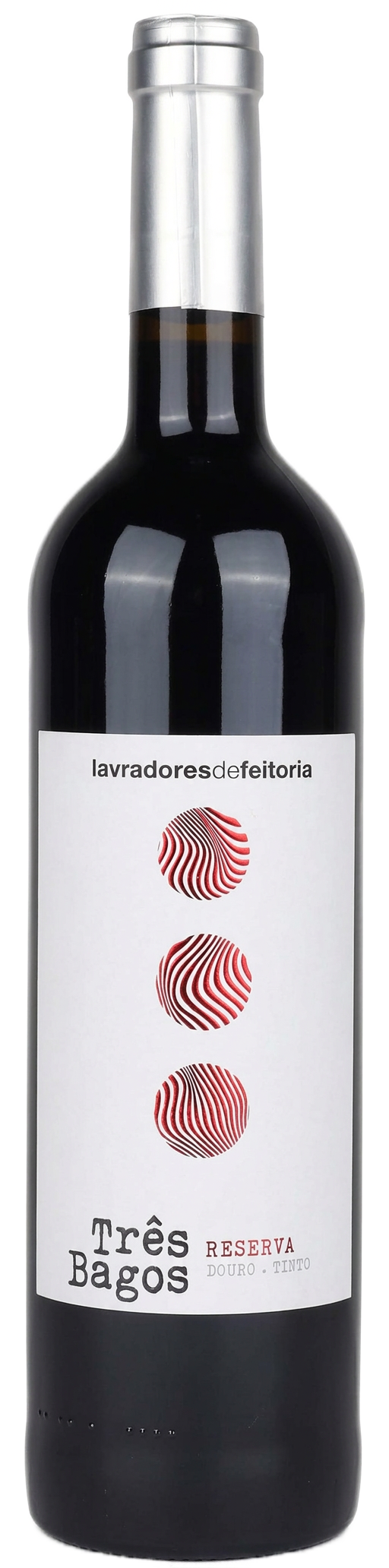
Lavradores de Feitoria Três Bagos Tinto Reserva DOP bottle from the supplied wine selection

Red wine

Três Bagos Tinto Reserva DOP

9.00 / 1 dl · 54.00 / bottle

Region:
Douro, Portugal
Producer:
Lavradores de Feitoria
Vintage:
2022
Grape varieties:
Touriga Nacional, Touriga Franca, Tinta Roriz

Tasting notes

An engaging entertainer, never intrusive. Immediately open and deep, with dark berries, spice and a mineral vein. Initially soft, dark and sweet-toned on the palate, then passionately energetic, almost exuberant, with fresh acidity and a dry, peppery finish. It grows more interesting with every sip, then gentler again. A wonderful companion to food.

Winemaking

Very low yields. Selective hand harvesting and gentle ageing, with eight months of maturation in new and used French barriques.

Terroir

The vines come from different plots with schist and granite subsoils. Grapes from the gentle hills of Douro Superior, with its particularly warm, dry climate, bring juicy, sweet fruit and a fleshy character. Cima Corgo and Baixo Corgo are cooler and still influenced by the Atlantic climate. Grapes from their steeper schist slopes provide good structure and freshness.

Estate history

Not a story, but a fairy tale. In this enchantingly beautiful, hot valley, winegrowers once worked hard, but with little passion, growing grapes only for the great Port producers — until Dirk van Niepoort arrived. His bold idea was to bring numerous growers together in a cooperative-style venture and, with an excellent team, turn their grapes into independent wines that reflected their origins. He woke the Douro Valley from its slumber. Since 1999, the Lavradores de Feitoria collective has produced remarkable, surprisingly affordable wines year after year.

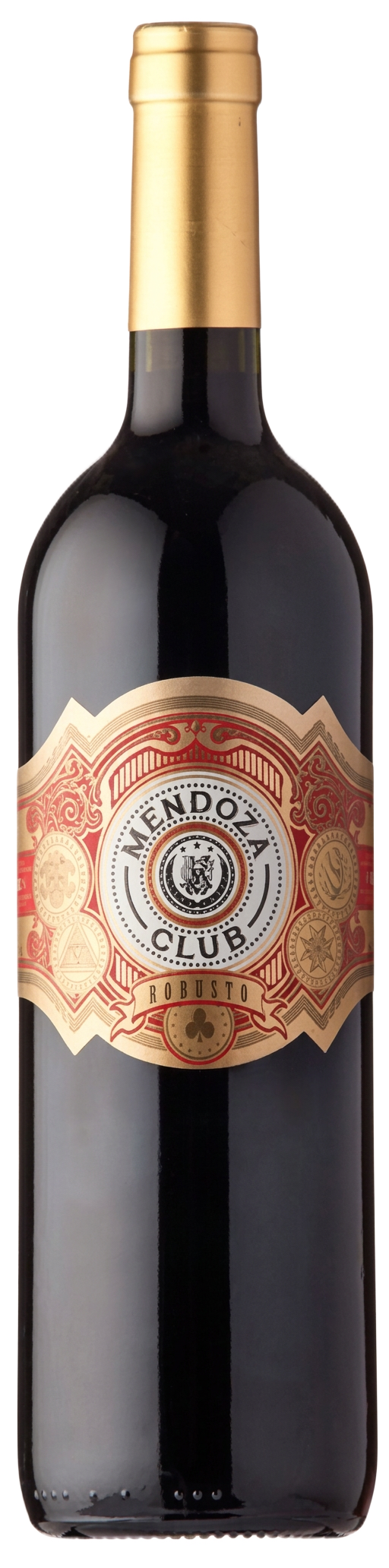
Mendoza Club Robusto bottle from the supplied wine selection

Red wine

Robusto

64.00 / bottle

Region:
Mendoza, Argentina
Producer:
Mendoza Club
Vintage:
2024
Grape varieties:
Malbec

Tasting notes

Arrival at the finca. A wonderfully warm, heartfelt welcome: juicy, abundant red fruit, fleshy and soft, with a hint of vanilla and an immediate sense of familiar intimacy. Tobacco follows, then increasingly dark, fresh notes of cassis, basil and dark earth, opening beautifully. On the palate, that delightfully soft, sweet-toned red-to-dark fruit returns, with comforting spice, mild smoke, gentle tannins and supple fullness. As arrival day turns to night, the wine becomes cooler, clearer, fresher and drier — never harsh, always familiar and balanced. A true friend!

Winemaking

Selective hand harvesting. Gentle maceration for 25 days, fermentation with indigenous vineyard yeasts, followed by ageing in stainless-steel tanks.

Terroir

The vines grow in vineyards up to 1,300 metres above sea level in Gualtallary, Mendoza, on highly mineral, sandy and stony soils. The sparse landscape is already considered desert. The climate is cool and dry, with many sunshine hours. The risk of fungal disease is very low, greatly reducing or even eliminating the need for crop-protection treatments. In these dry conditions, roots reach deep into the earth. The wines fascinatingly combine the sun’s warmth and power with the cool freshness of the night.

Estate history

The wines are made for Mendoza Club at a winery in Mendoza, Argentina, that rose to fame in only a few years. Its identity remains undisclosed — not because it fears for its reputation. Quite the opposite: it produces magnificent Malbecs of spicy elegance, highly rated and internationally sought after. Mendoza Club wines are wonderfully fresh Malbecs from excellent sites above 1,000 metres, with almost pure limestone beneath, offered at a very fair price. Perhaps the concern is competition within its own house? Spontaneous fermentation, rigorously limited yields and, above all, wines made by enthusiasts for enthusiasts: this is all about pure enjoyment.

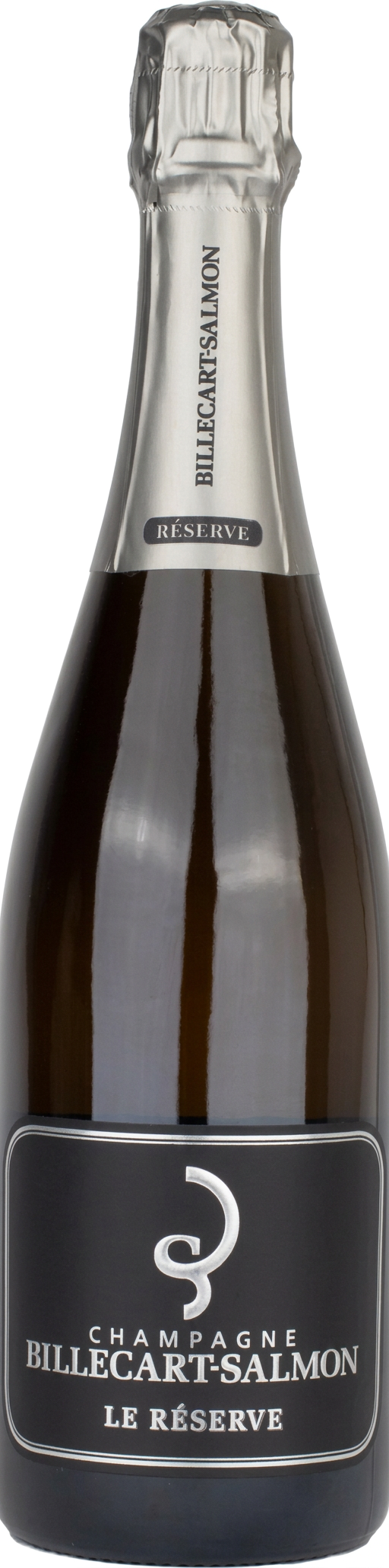
Billecart-Salmon Champagne Extra Brut ‘Le Réserve’ AOC bottle from the supplied wine selection

Champagne

Champagne Extra Brut ‘Le Réserve’ AOC

19.00 / 1 dl · 114.00 / bottle

Region:
Champagne, France
Producer:
Billecart-Salmon
Vintage:
Not specified
Grape varieties:
Pinot Meunier, Pinot Noir, Chardonnay

Tasting notes

Pure nobility. Understated aromas of fresh sweetness, apple, orange, kiwi and almond pastries. On the palate it offers subtle excitement rather than simple refreshment, with great elegance and a very fine, playful finish. A fascinating Champagne whose charm remains even the next day, without its necklace of bubbles.

Winemaking

Very selective hand harvesting. Slow, extended fermentation with the house’s own yeasts, followed by malolactic fermentation at cool temperatures. The supplier describes over 50 months of maturation on the lees, an Extra Brut dosage, a blend containing 50–60% reserve wines, and 30 months of cellar ageing.

Terroir

The Pinot Noir comes from the Montagne de Reims and the Grande Vallée de la Marne. Chardonnay is sourced from different parts of the Marne, while Pinot Meunier is harvested in the Vallée de la Marne and the Coteaux Sud d’Épernay.

Estate history

Billecart-Salmon began in 1818, when Nicolas François Billecart and Elisabeth Salmon married and founded their Champagne house. Elisabeth’s brother Louis, a gifted oenologist, joined them. Still owned by the same family, the house is now led by seventh-generation Mathieu Roland-Billecart, with members of the sixth generation — Antoine, François and Jean — continuing to contribute. This lovingly maintained tradition is matched by quality: the house carefully cultivates 30 hectares of vines in outstanding sites. Its classic Champagnes are poised, balanced and full of finesse and elegance, bringing distinction to any occasion.

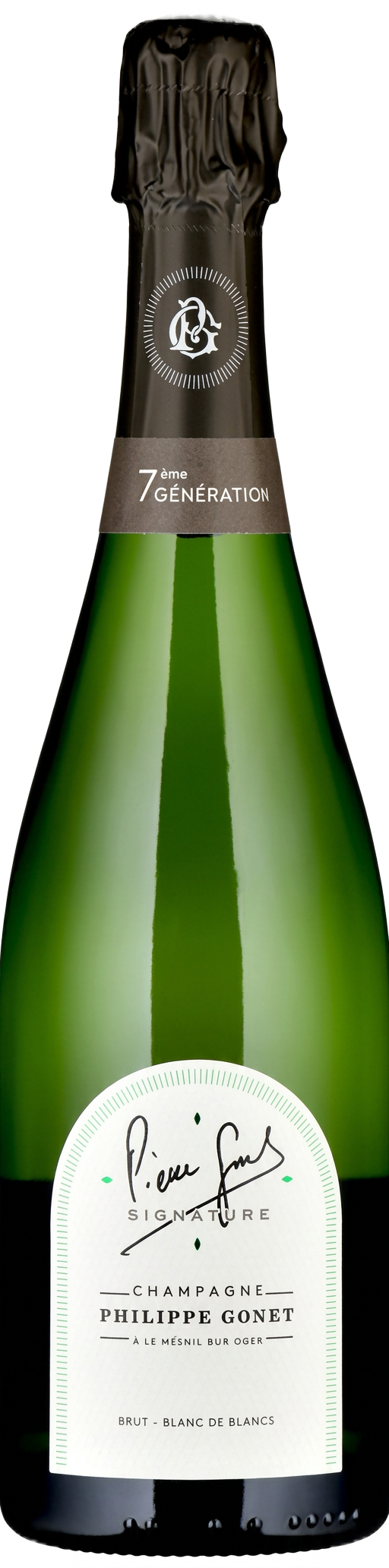
Philippe Gonet Champagne Brut Blanc de Blancs ‘Signature’ AOC bottle from the supplied wine selection

Champagne

Champagne Brut Blanc de Blancs ‘Signature’ AOC

17.00 / 1 dl · 102.00 / bottle

Region:
Champagne, France
Producer:
Philippe Gonet
Vintage:
Not specified
Grape varieties:
Chardonnay

Tasting notes

A new beginning in a glass: pure, bright, clear fruit and fresh optimism, underpinned by calm, strength and gentleness. The palate is celebratory, with an incomparably soft mousse that blends clarity and freshness, delicate ripe acidity, fine minerality and blissful yellow-to-orange fruit with a yeasty nuance. A Champagne full of inner peace and contentment.

Winemaking

Very selective hand harvesting. Six months of fermentation in stainless-steel tanks, followed by at least three years of bottle ageing on the lees. Dosage: 7 g/l; sulphur: below 20 mg/l.

Terroir

Exclusively privileged sites in the Côte des Blancs, Côte de Sézanne and Montgueux, with predominantly limestone-rich soils containing marine deposits and, in some places, more clay. In this temperate continental climate, Chardonnay shines with minerality, freshness and charm.

Estate history

A small Champagne house with a clear signature: sensual minerality. The Gonet siblings embody this approach — Chantal through her charm and work in sales, Pierre through his dedication to terroir and winemaking. Their home is Le Mesnil-sur-Oger, a celebrated centre for Chardonnay. Across seven generations since 1830, vineyards have been acquired selectively. Today, 20 hectares are spread across eight villages and 35 sites, farmed according to organic and biodynamic principles. Separate vinification in small tanks is second nature here. These are Champagnes that never become dull, bringing together tension and sensuality with exceptional ease.

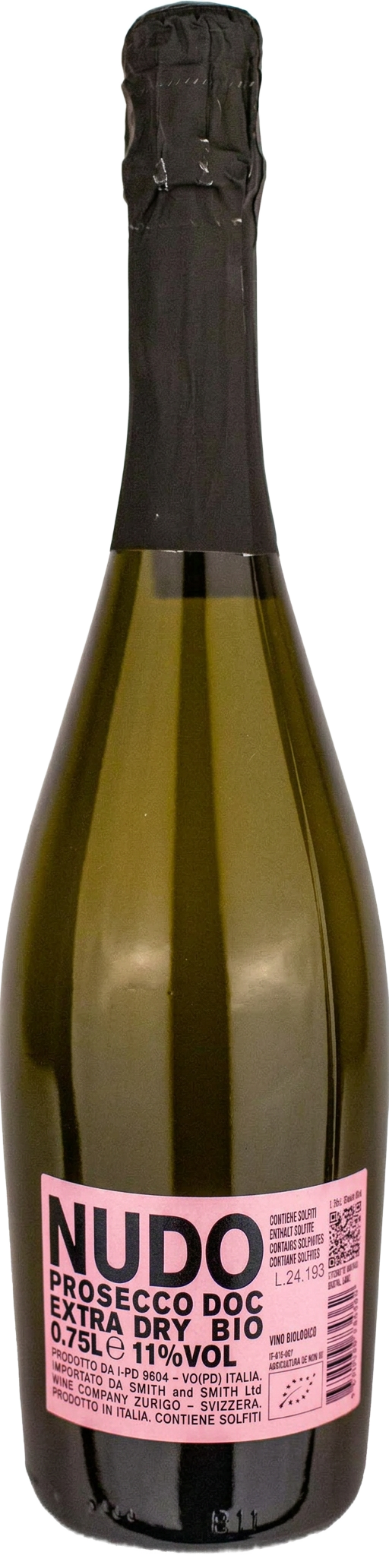
Nudo Prosecco Extra Dry ‘Nudo’ DOC bottle from the supplied wine selection

Prosecco · Organic

Prosecco Extra Dry ‘Nudo’ DOC

9.00 / 1 dl · 54.00 / bottle

Region:
Veneto, Italy
Producer:
Nudo
Vintage:
Not specified
Grape varieties:
Glera

Tasting notes

Full of zest for life. Fresh, cheerful aromas of green apple, stone fruit, mango and flowers. Exuberant on the palate, with fresh apple and pear, fine, discreet sweetness and a lightly bitter edge. A wine that lifts the mood.

Winemaking

An early harvest preserves freshness in the base wine. Cool, slow fermentation in stainless-steel tanks is followed by a second fermentation lasting three to four months in pressurised tanks to create the bubbles — the Charmat method.

Terroir

The organically farmed plots have stony, limestone-rich soils. The climate is relatively mild, with dry winds from the Alpine foothills allowing the grapes to ripen healthily. This gives the sparkling wine gentle, soft fruit and a beautiful structure.

Estate history

The naked truth — or simply the Nudo story: delicious and affordable for everyone. ‘One to rule them all’ was always the idea. Together with partners they wholeheartedly believe in, the creators developed a delicately fruity, stylish Prosecco that is simply fun to drink. Good looks and good flavour: what more is needed? Nothing. The result is minimalism, quite simply NUDO.

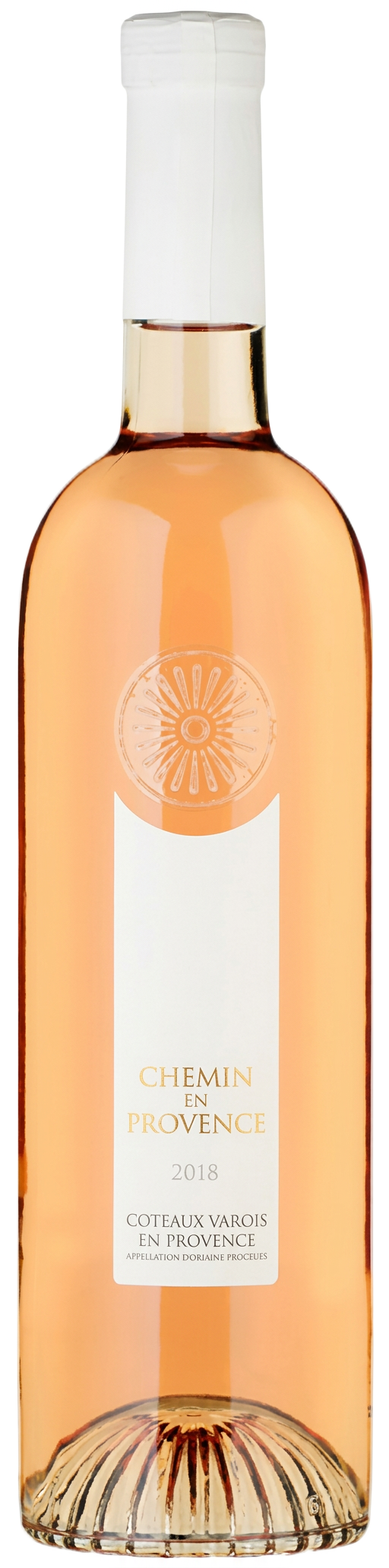
Le Cellier de l’Amitié – Maison Giambagli Rosé ‘Chemin en Provence’ AOC bottle from the supplied wine selection

Rosé wine · Organic

Rosé ‘Chemin en Provence’ AOC

10.00 / 1 dl · 60.00 / bottle

Region:
Coteaux Varois en Provence, France
Producer:
Le Cellier de l’Amitié – Maison Giambagli
Vintage:
2025
Grape varieties:
Grenache, Syrah, Cinsault

Tasting notes

Salmon-pink, delicate and supple, with juicy fullness that feels bright and light. Aromas of fruit and berries glow in shades of orange, pink and red. The palate is softly flattering, with gentle richness and an interwoven, ethereal freshness. Its cool, melting harmony invites you to close your eyes, enjoy and dream a little — like cold-smoked salmon, and a perfect match for it.

Winemaking

Selective harvesting and gentle processing, followed by slow, temperature-controlled fermentation in stainless-steel tanks.

Terroir

The organically farmed vines grow on mineral-rich, sandy and schist soils at the foot of the Massif des Maures. The mountains protect against icy winter winds, while the forest shields the vineyards from summer heat and drought. The wines combine charming fruit, freshness and an effortlessly elegant flow.

Estate history

Provence is beautiful, but the gently wooded foothills of the Massif des Maures are particularly enchanting. The estate combines modern cellar technology with organic vineyard cultivation. The forest’s rich flora and fauna create a captivating abundance of scents and sounds, day and night. That living harmony is reflected in the estate’s rosés. Organic and vegan.

↑ Back to top